Coal combustion residuals management
Coal ash remediation saves utility company millions and protects Great Lakes
1st of its kind
remediation approach for coal combustion residuals
23,000 work hours
without a safety incident
Summary
- Haley & Aldrich collaborated with regulators to design a closure-in-place approach for a coal ash pond that would prevent contaminants from leaching into groundwater and the lake.
- By treating and capping the waste on-site, the team avoided costly and carbon-intensive off-site disposal.
- Our work transformed the closed pond into a pollinator-friendly habitat.
Client challenge
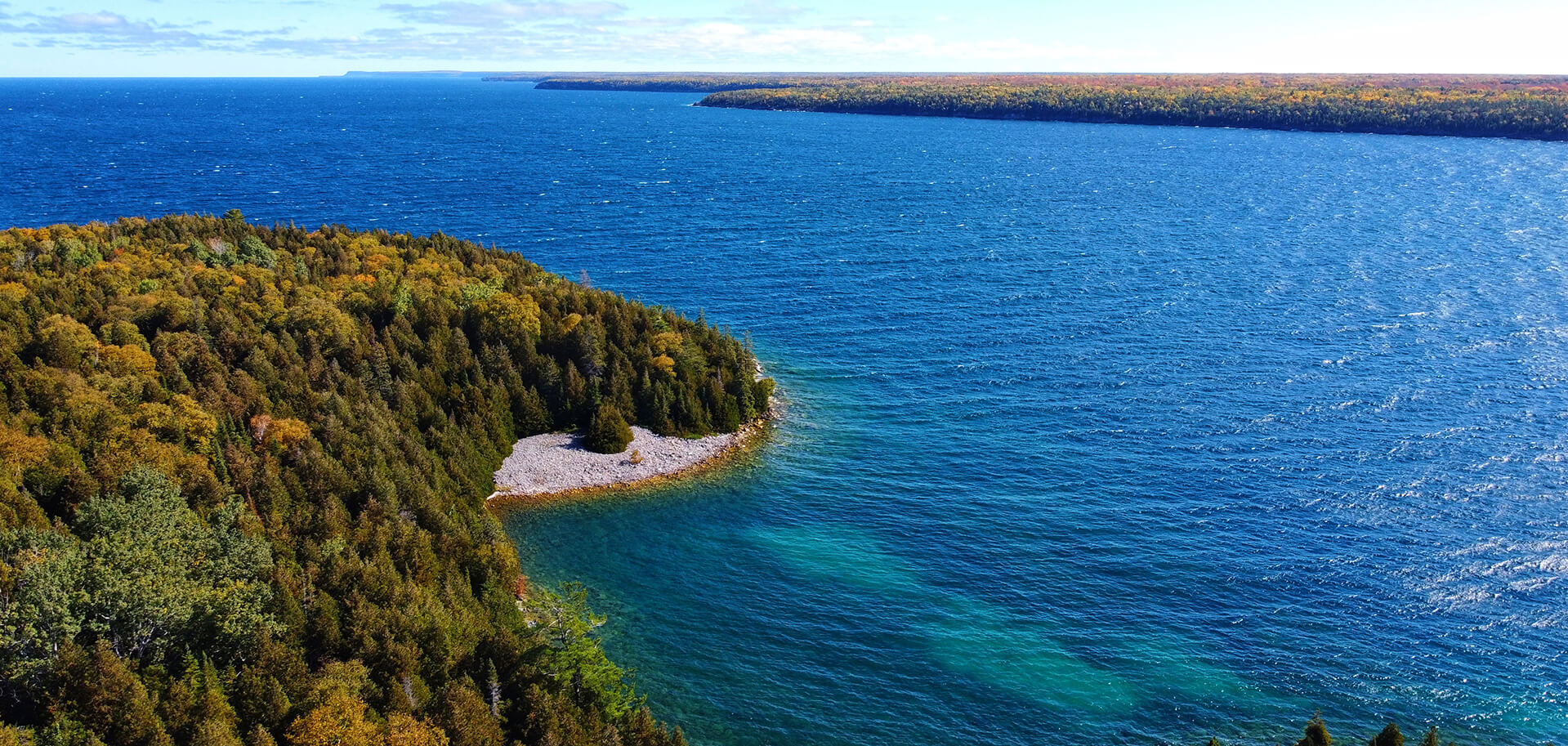
While decommissioning an electrical generating station, a utility company encountered challenges with closing one of the coal ash ponds on-site. Ash ponds store the by-products of coal combustion, which contain heavy metals that can threaten human and environmental health. This pond had been built on the shore of one of the Great Lakes, and most of the ash sat below the water table. These factors would make it complicated and expensive to excavate and dispose of the ash while also keeping contaminants out of the groundwater and the lake.
The company hired Haley & Aldrich to find an approach that would meet safety and regulatory requirements, budget, and timeline goals. They trusted us with this project because of our reputation for successfully completing other projects for them.
Our approach
Our client had one overarching goal: to safely close the ash pond in accordance with requirements from the state’s environmental regulatory agency. To meet that goal, our team had to be tenacious and innovative.
We worked closely with the state environmental regulator, considering several closure approaches and designs before finding one that would meet legal requirements and project goals. Closure in place would reduce the project’s carbon footprint by cutting down on emissions from truck trips. It would also eliminate the safety risks of both driving waste on public roads to dispose of it and extensive truck traffic to haul clean soil to backfill the pond.
Ultimately, we came up with a novel approach: using in situ soil stabilization (ISS) to treat and stabilize the waste in the pond before capping it. ISS had never been used on an ash pond before in the client’s state or, to our knowledge, any other state in the United States. With limited literature and no real-world examples to draw from, in order to get regulatory approval and permits, we had to demonstrate that this approach would work.
So we completed a robust testing program, assessing the strength, permeability, and leaching potential of our proposed approach (which also called for shoreline armoring and a landfill cap) and evaluating whether it would effectively stop contaminants from leaching into groundwater and the lake. Bench-scale testing demonstrated that our ISS approach would meet project performance requirements: It would not increase metal leaching, and it would reduce groundwater metals concentrations without the need for long-term groundwater control and treatment.
In addition to a rigorous technical approach, we made sure that a culture of safety ran through all phases of the project. For example, we installed a remote-sensing ground movement system into the berms surrounding the pond to assess movement in real time and allow appropriate decision making about where to work.
At the close of the project, we had met our client’s goals and achieved the anticipated savings, reducing costs by over 50% compared to closure by removal. The site is now planted with native species to attract pollinators like bees and monarch butterflies.
Value delivered
- Successfully designed and executed an industry-leading solution — likely the first application of ISS on coal combustion residuals in the United States
- Created and fostered a culture of safety on the project, achieving approximately 23,000 work hours without an incident
- Left a more environmentally sustainable legacy at the site, transforming it into a pollinator habitat
For more information, contact:

Principal Consultant

Program Manager, Environmental Engineer

Related Projects
Yard equipment company cleans up toxic aftermath from fire in record time,…
Corrective Action Plan created in record time saves millions after one of…
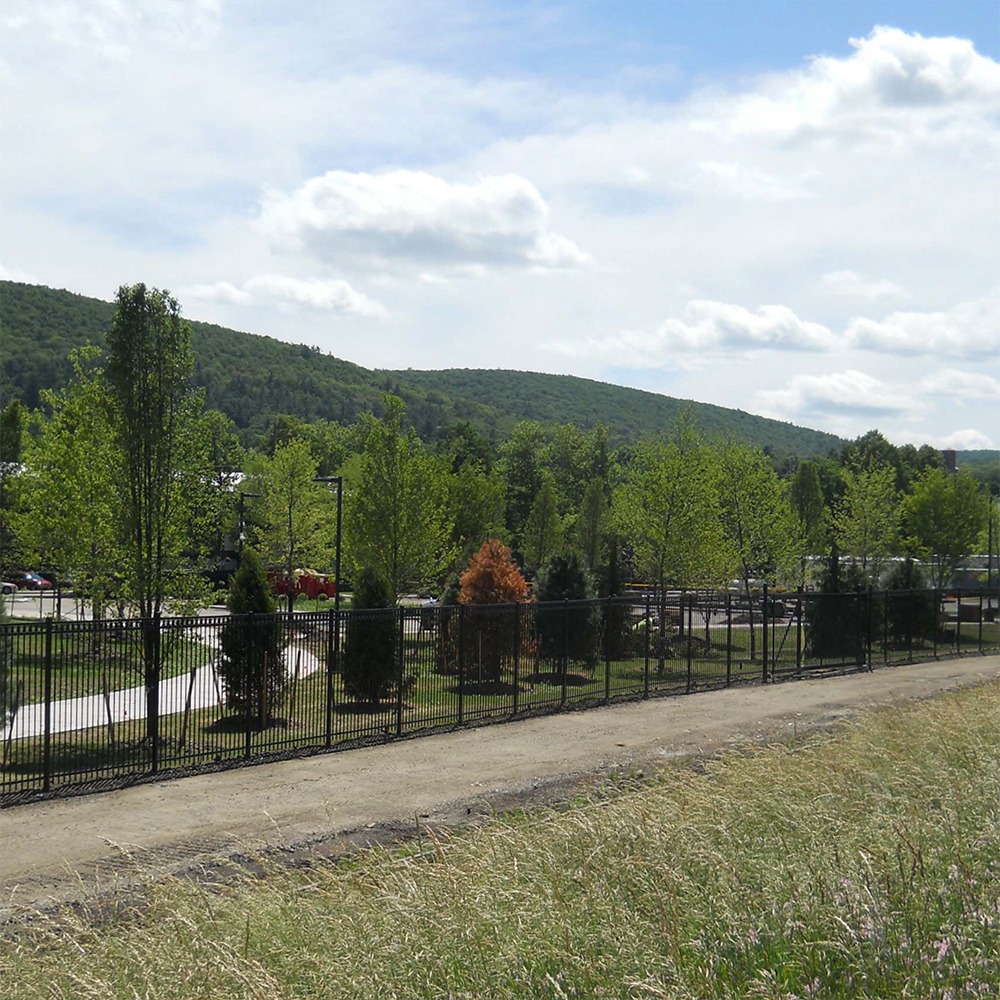
Client avoids unplanned costs with our demolition plan for former manufacturing complex

Superfund site redeveloped into habitat for monarch butterflies
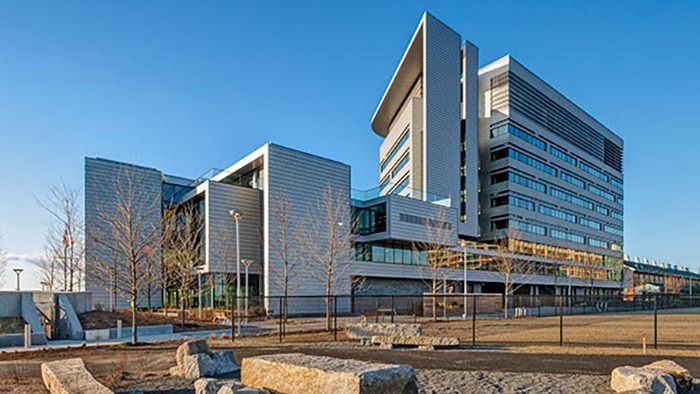
Our expertise helps reclaim a former shipyard to construct LEED Gold Certified…
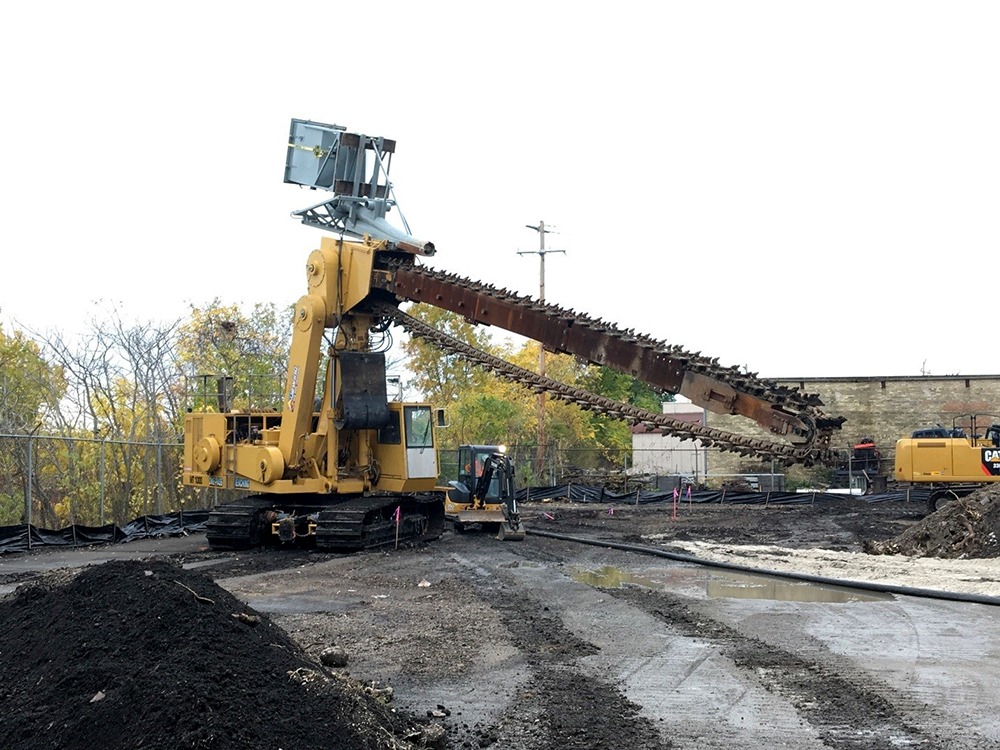
Design-build team remediates brownfield site under budget and on time
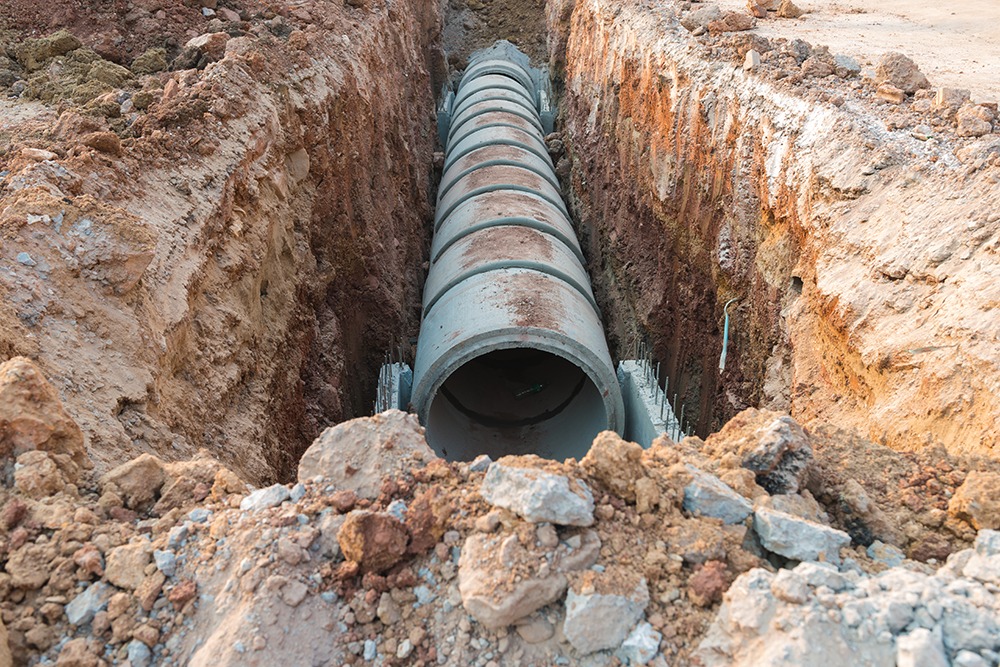
Our team adapts to nature’s curveballs to clean up complex site on…
Creative solutions to regulatory hurdles help manufacturer get needed water resources
Uncommon approach saves Franciscan Friars millions on reclamation and restoration project

Creative geotechnical solutions connect campus to downtown Philadelphia
Haley & Aldrich helps a college overcome community opposition to transform landfill…