Key takeaways:
- A single planning process that connects funding strategy with redevelopment implementation can make your plan more attractive to potential partners.
- A funding strategy starts with a plan, not an application, and planning starts with understanding your community’s vision for its vacant or underutilized properties.
- State, federal, and private funding can support the path for building a vibrant community.
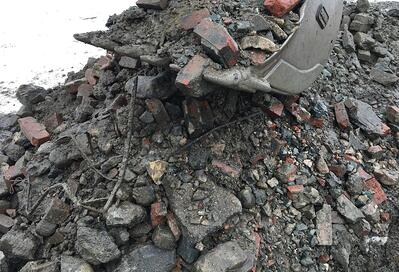
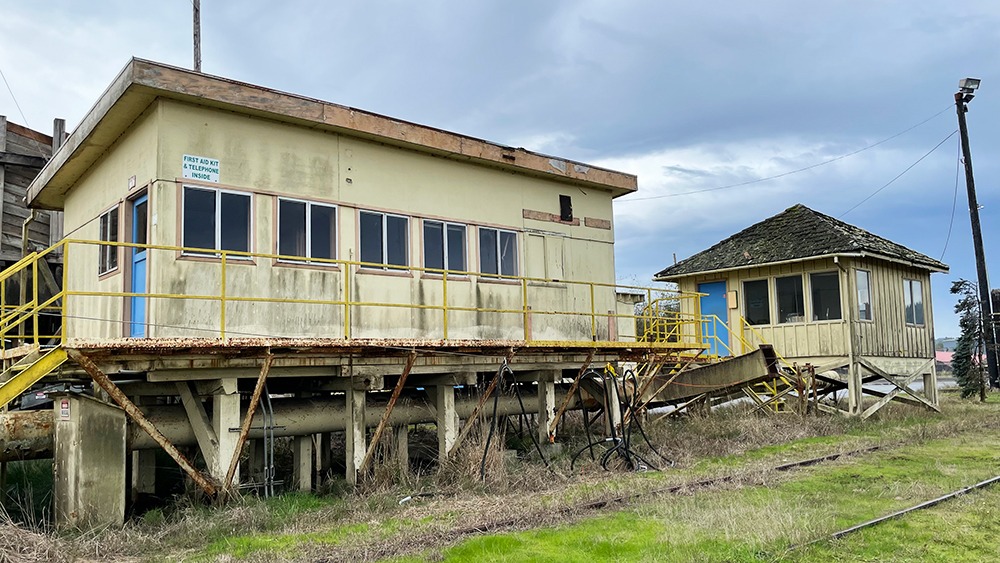
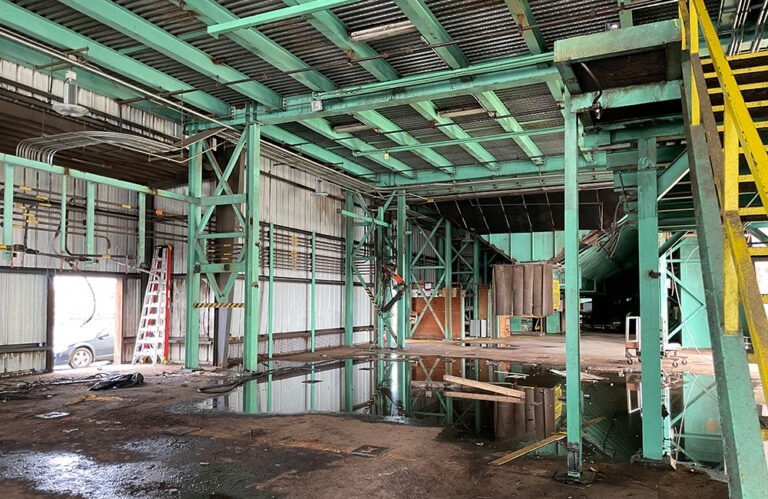
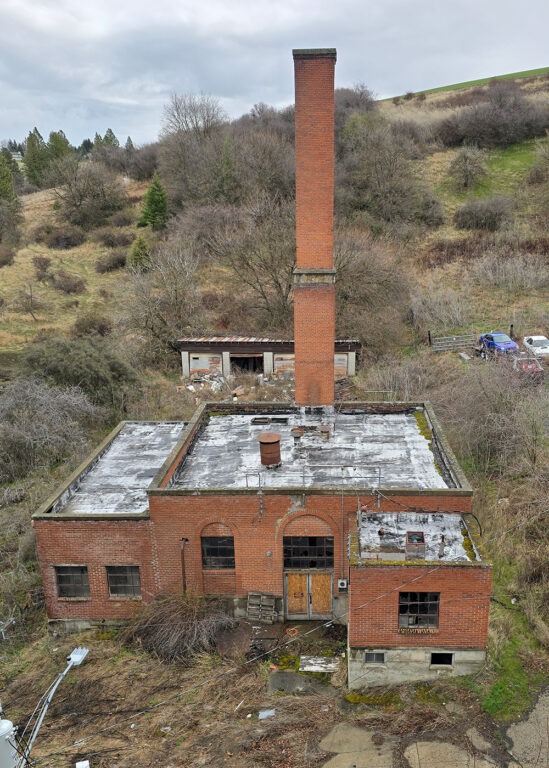
Small and midsize cities typically have a daunting list of decisions to make, including what to do with vacant, old industrial sites and dead retail space on Main Street (i.e., brownfields). These properties are at the top of the priority list for economic redevelopment and transforming underperforming properties into community assets. But even when cities have a strong will to revitalize these properties, finding the staff capacity, funding, and partnerships to make it happen can seem impossible. That’s especially true when the property in question has complex environmental issues to resolve before breaking ground can even take place.
Over many years of consulting with communities transforming brownfields, we’ve learned that a well-thought-out, community-backed, streamlined plan makes the difference between finding reliable funding partners and maintaining the status quo. When you connect fundraising and implementation under one planning process, your plan becomes more attractive to funders and potential partners at every stage. With all aspects of a project considered holistically, a community’s vision becomes achievable.
How to make redevelopment planning worth your time
Even when lacking ownership, towns and cities often have properties within their jurisdiction that affect local environmental, social, and economic health. The U.S. Environmental Protection Agency (EPA) sets aside brownfield funding specifically to help communities take the first steps toward transforming these underperforming assets. Grants to conduct environmental assessments require no match, and you don’t need to own a property to assess it. According to EPA data, every program dollar leverages roughly $17 to $20 in additional investment. Many other federal and state funding programs can also play a significant role in expanding funding options for turning a community liability into a revitalized and economically viable space.
The natural pushback is often: “My people are already strapped, so how can we prepare a massive grant application with so many other priorities?” We understand those sentiments, and we have seen how a plan that connects fundraising and implementation from the outset can make a project far more manageable (and with federal funding becoming more competitive, that upfront planning matters more than ever).
Four steps to bring together planning and funding for redevelopment
One: Understand your community’s vision. Start by understanding your community’s vision for the future. Before developing plans for vacant or underutilized properties, take time to listen to residents at city council meetings and engage with community groups and public forums. Community members can provide valuable insight into what they envision for the “local eyesore,” and conversations with them are opportunities to discuss the economic feasibility, zoning requirements, and financial implications of the various options. Once a plan is committed to paper, the public tends to treat it as settled. Early engagement shows respect for the diverse voices in your community, which is essential for their full support as the project develops.
Two: Define your path. Once you understand the community’s vision and the economic feasibility of redevelopment options, you can lay out your path to success. You’ll likely have some key partnerships identified from the previous step. State brownfield programs can also provide a place to start. Most states have a program, even if they don’t offer state funding. State staff are often more approachable than federal contacts, and they have a better feel for local priorities. Even if they can’t cut you a check, getting to know them builds a network of support you’ll lean on later.
Three: Get creative with funding. Where it is available, state money is often a great place to start building your funding stack. State funds tend to be less competitive and are released in smaller amounts. In Oregon, for example, a city can request $25,000 to inventory its brownfield sites, which is frequently a highly productive starting point. Washington, Connecticut, and Massachusetts offer similar support; private developers can be part of that funding stack as well.
Stacking can apply to both funding and projects. In Sherwood, Oregon, for example, the city needed to complete three infrastructure projects within a few years of each other, in addition to a brownfield cleanup of a former tannery. The city needed to widen a road, relocate a sewer line, and build a regional water quality facility. The city of Sherwood proposed a compelling argument to state and federal funders about supporting all three projects together, and it worked! The EPA awarded the city $5 million for the tannery cleanup in May 2024, one of only eight such awards nationally.
Private development projects can also be part of a project stack, demonstrating that you’ve already laid the foundation for successful redevelopment once site remediation is completed.
Four: Find your champions. Every successful brownfield program to transform vacant properties had at least one community champion who believed a project could create positive change in their community. Champions understand it won’t happen overnight, but they work to build consensus and attract more community champions to a project. One champion inside city hall is a strong start. Add champions from community organizations, local businesses, and neighborhoods, and you have a real foundation that can weather shifting priorities, staff turnover, and elections.
We can help
Discussions about brownfield redevelopment often start with a focus on funding applications, but having a plan and a vision is the real first step.
You don’t need to build a redevelopment program alone. Having a trusted advisor engage with your community can help you clarify your vision, navigate the funding landscape, and cast your vision to potential champions, all of which increase your chances of success. The best time to start a conversation is well before you draft a grant application or request for proposal, and our team is always happy to assist.
Published: 11/11/2026
Authors

Client Leader/Senior Associate Geologist

Technical Expert

Principal Consultant