Key takeaways:
- Sarah Sieloff examines Japan’s efforts to protect older residents during and after natural disasters.
- She notes that those residents may have different needs (e.g., less urban-centric planning) than other groups do.
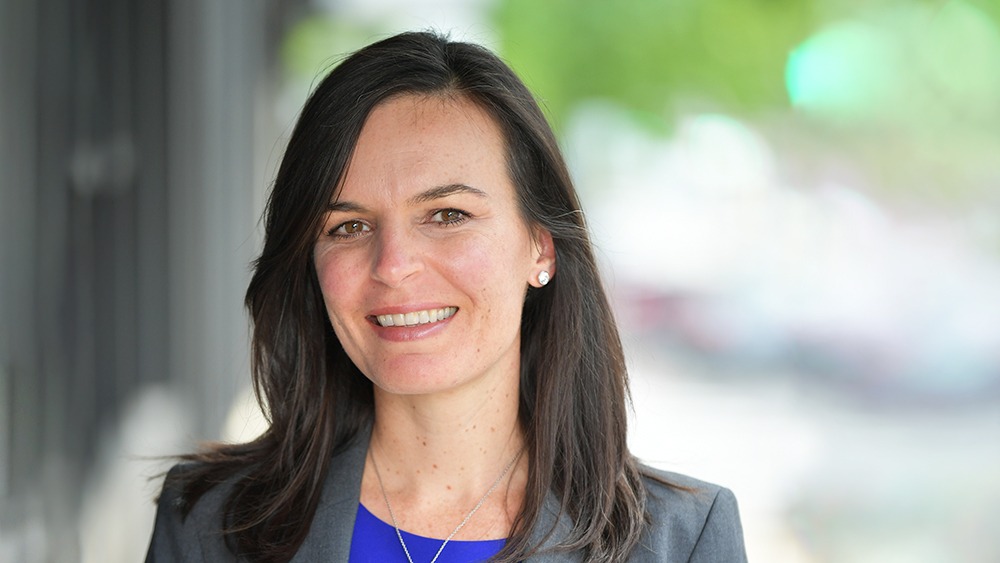
In a recent article for the International City/County Management Association, Haley & Aldrich urban planner Sarah Sieloff shares insights from Japan’s efforts to improve natural disaster protections for senior citizens.
Sarah and co-author Dr. Fernando Ortiz-Moya note that Japan has one of the most advanced disaster preparedness programs in the world, but its emergency planning has still struggled to meet the needs of older adults, as shown when a magnitude 7.6 earthquake struck the country’s Noto Peninsula in 2024.
The Noto Peninsula’s municipalities are home to some of the country’s oldest residents. The disaster left thousands of households without basic services or access to transportation for weeks or months. In the earthquake’s epicenter, Suzu City, write Sarah and Fernando, the disaster “exposed an infrastructure system already operating at the edge of viability, eroded by decades of disinvestment linked to population and economic decline.”
As Suzu City developed its plan to rebuild, it replaced an “urban-centric model” of “networked, centrally supplied services” with a “smaller standalone provision matched to where people actually live. Sewerage offers the clearest example: rather than rebuilding a centralized sewer network, the city is installing individual septic tanks across affected areas.” This decentralized model, they note, represents a demographically realistic approach that can inform more people-oriented urban planning.
This article is the second part of a three-part series planned for summer 2026. The first part focused on transportation planning for aging populations, and the third part will delve into how small communities can thrive and foster economic development in the absence of growth.
Read “Disaster Planning for Aging Communities: Lessons from Japan’s Noto Earthquake.”