Key takeaways:
- Our climate resilience specialists trained 2026 FIFA World Cup host city officials on the risks of excessive heat and severe weather.
- Training focused on location-specific risks to stadiums and public transit.
- Hawaii Public Radio featured Daniele Spirandelli’s insights on tailoring preparations across 11 cities with different climates and infrastructure.
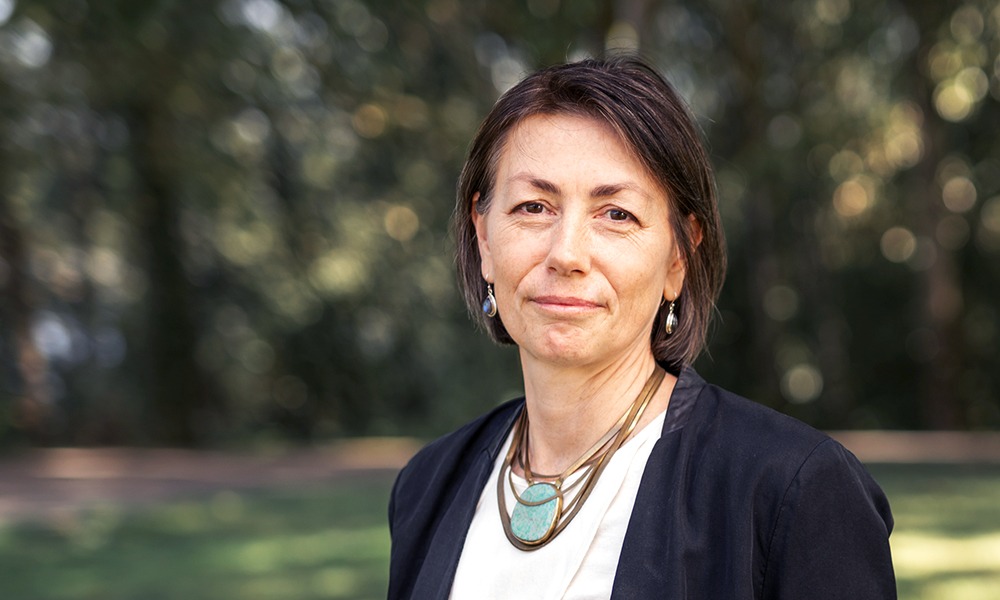
Hawaii Public Radio featured Haley & Aldrich’s Daniele Spirandelli, Ph.D., in a conversation about preparing the 2026 FIFA World Cup tournament for the risks of excessive heat and severe weather.
Reporter and host Catherine Cruz talked with Daniele — alongside University of Hawaii planning professor Karl Kim, Ph.D., and Tom Chandler, Ph.D., of the National Center for Disaster Preparedness at Columbia University — just before the tournament kicked off in June.
Daniele collaborated with these and other experts to develop FEMA-funded training for emergency managers, transportation managers and transit agencies, and stadium owners and operators in the World Cup host cities. For locations across the United States, Mexico, and Canada, organizers had to prepare for a wide variety of climate risks, from lightning to flooding to wildfire smoke.
“We’ve been looking at the locations — the 11 host cities — and what hazards we might expect in those areas during the summer months,” Daniele told Catherine. “[Haley & Aldrich has] been doing a lot of work on very different environmental hazards across the country, and we look at that in relation to infrastructure, local populations and communities, and their sensitivities to those hazards and risks.”
Daniele and Haley & Aldrich climate resilience specialists Laura Hanson, David Rother, and Hannah Sawyer developed three training modules for the World Cup. Their focus included using publicly available data to conduct risk assessments tailored to specific locations, as well as the risks wildfires pose to urban rail systems. The group intends to conduct similar climate resilience and urban planning work to guide preparation for other large events.
Learn more in the full conversation on Hawaii Public Radio.