Government infrastructure consulting
We bring big-picture thinking and ingenuity to your government infrastructure projects so you can do more with less.
As an owner, you want your government infrastructure projects to have a lasting, positive impact. You need to secure funding for and minimize costly surprises during your work, but your risks aren’t strictly financial. The pressure is on to keep stakeholders happy and minimize disruptions to the communities in which you work — not mention, staying on budget and on time.
Haley & Aldrich’s government infrastructure engineering consultants bring ingenuity to your project to move it from vision to reality, while allowing you to do more with less. Whether exploring airport sustainability efforts or designing high-capacity bridge foundations, we look at the individual system pieces — technical, environmental, constructability, schedule, and community — to understand the complete picture, and determine how we can deliver solutions that address each component.
Our infrastructure engineering consultants go beyond task-based and cookie-cutter approaches during government infrastructure projects. We work alongside you to take an in-depth look at your big picture objectives and align our internal teams around your needs while integrating innovation and advocacy into the process. The result? Reduced overall costs and the ability to get more done with less effort or investment.
Haley & Aldrich’s government infrastructure staff know clear, consistent, and responsive communication is a key factor in success. Our teams work with you from start to finish, rallying team members around a common vision. And often, our clients tell us our ability to foster ongoing collaboration and see the big picture is what sets us apart.
Talk to our market experts

Market Leader, Government

Senior Principal
Bringing new efficiencies to your government infrastructure projects
From using Lean principles to save costs and shorten review cycles during public-private partnership projects, to applying our passion for our work while we help the U.S. Navy preserve the historic USS Constitution, Haley & Aldrich’s infrastructure engineering consultants deliver value through practical — yet innovative — approaches. We rethink the conventional to bring new efficiencies to government infrastructure projects.
Our government infrastructure markets include:
No matter the complexities or nuances of your business, Haley & Aldrich will help you reach — and exceed — your goals.
See us at work
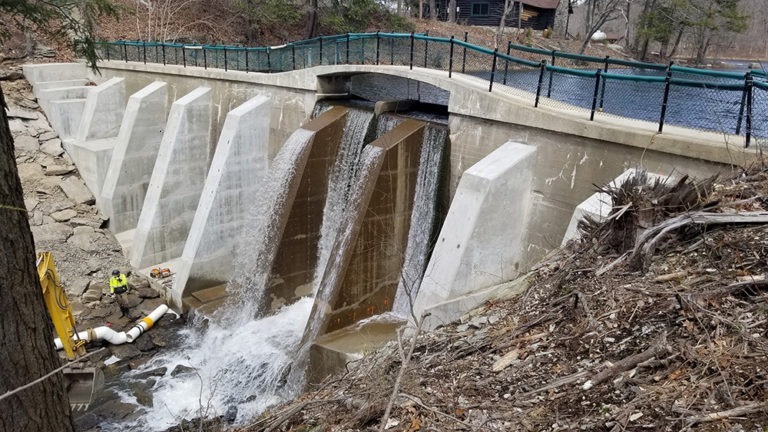
Princeton-Blairstown Center, Bass Lake Dam · Hardwick, New Jersey
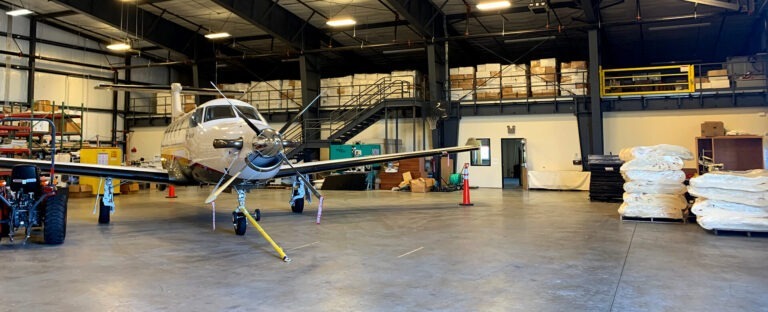
Individual airports — grants funded by the Oregon Department of Aviation · Oregon
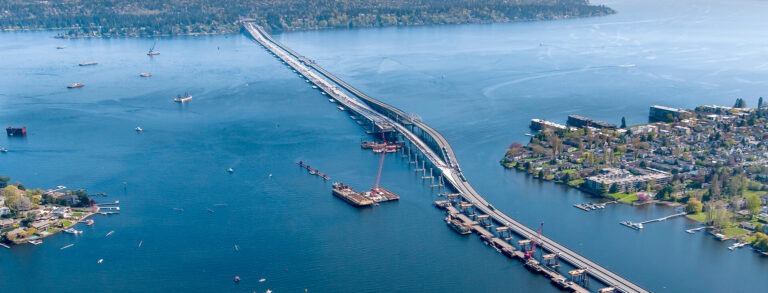
Washington State Department of Transportation · Seattle and Bellevue, Washington
View related resources