Key takeaways:
- With power-ready greenfield sites scarce, data center developers are turning to former industrial properties.
- Brownfields can offer existing grid connections, reusable buildings, and tax incentives that help offset cleanup costs.
- Integrating environmental, geotechnical, and regulatory expertise from the start can speed development.
Data center developers face stiff competition for new project sites — and the competition is only intensifying. Many greenfield sites with ready access to power infrastructure, a primary driver in both data center site selection and development schedule, have already been developed. In addition, public opposition has risen across the country, with that pressure beginning to harden into policy at both the county and state levels.
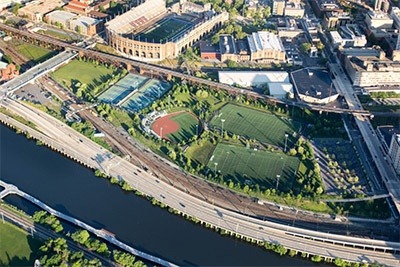
As a result, developers are increasingly weighing former industrial properties as a serious option for their new data centers. Despite the added challenges of navigating potentially complex environmental impacts and associated regulatory requirements, these sites can offer approval paths, existing infrastructure, and tax incentives that can make project delivery faster and more efficient.
The advantages of siting a data center on a brownfield
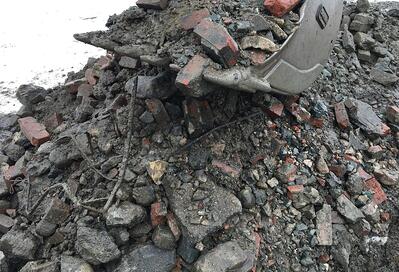
The obvious drawback to redeveloping a brownfield site is its potential complexity, including contamination resulting from historical site operations and regulatory requirements to address these environmental liabilities. However, the cost and effort of managing these issues can often be offset by the many benefits of developing a former industrial property.
Power already in place
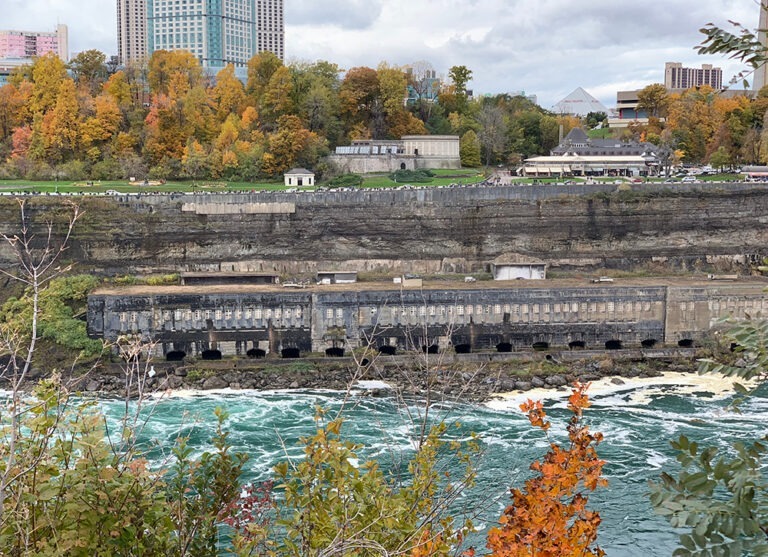
Many former industrial properties used to host energy-intensive operations and still carry substantial electrical infrastructure. Utilities and former generation owners — including operators looking to divest retired coal-fired power plants — can offer potentially attractive sites where the interconnection to the power grid may already be largely in place to support data center demand. Reusing that infrastructure can condense the long lead time that developers would otherwise spend on construction and/or permitting.
Neighborhoods with industrial history
Growing community opposition to data center projects can derail developers’ plans, sometimes arising late in the permitting process, after substantial investment has already been made for site selection and/or acquisition. The redevelopment of brownfields can help mitigate this opposition earlier or ease it completely. Properties located in industrialized areas that have historically been zoned for and operated as manufacturing plants or power generation stations may face less community opposition to a new industrial use for the same land versus the development of a greenfield site. Communities may also support a project that mitigates existing environmental liabilities and provides beneficial reuse of a contaminated site. Regulators can also be in support of the beneficial reuse of contaminated sites for the development of data centers because exposure to residual contamination can be mitigated by the development; the Environmental Protection Agency has promoted the reuse of brownfield sites for data centers.
Stakeholders and neighbors want to understand the plans for addressing environmental risks when data centers are developed on contaminated sites, and Haley & Aldrich is skilled in meeting with the community to communicate the technical approach to nontechnical audiences, in facilitating problem-solving, and in developing solutions consensus with regulators and the community to move projects forward.
Plug-and-play, not teardown
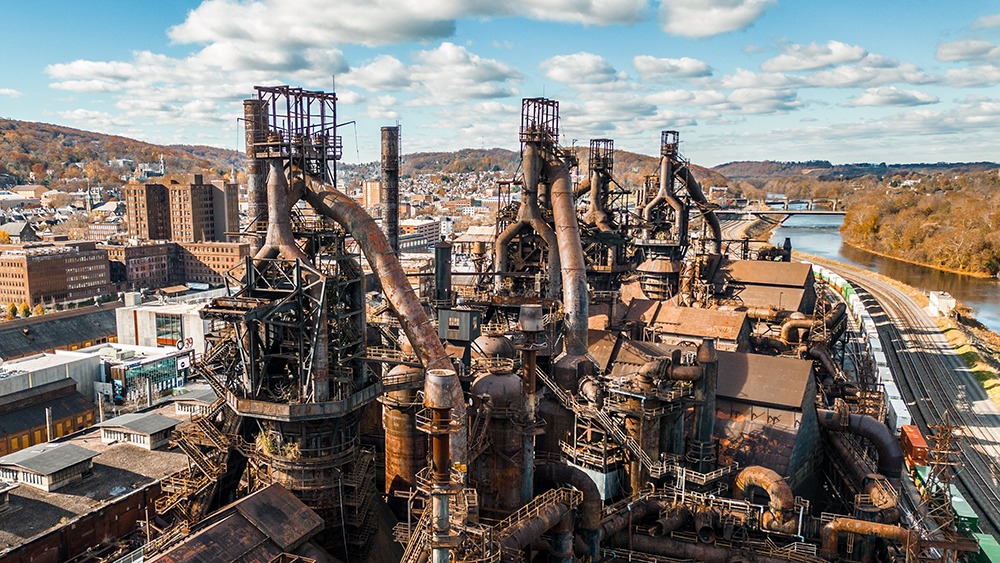
Because these sites often come with existing buildings, these structures can occasionally be repurposed to house data center infrastructure rather than starting from the ground up. The exterior appearance of a brownfield site may change very little, reducing construction timelines and potentially streamlining community approval.
A rightsized footprint
Brownfields are often a particularly strong fit for the development of smaller data centers, where less acreage is required to accommodate data center development. A rightsized industrial parcel can provide the necessary footprint without the many challenges of developing a sprawling data center campus on a greenfield site. For real estate developers looking to pivot into the data center market, these sites can be where the market meets them — accessible, financeable, and already zoned for the use.
Potential tax incentives
Brownfield redevelopment tax incentives can lower the financial hurdles of cleaning up contaminated properties. Depending on the site location, federal, state, and/or local programs aimed at encouraging the cleanup and reuse of brownfields may help defer costs for site remediation through tax credits, property tax exclusions, etc.
Navigating brownfield redevelopment for data centers
The right partner can help both developers and sellers navigate brownfield redevelopment in a way that benefits both parties and streamlines the process of bringing a data center project to fruition. Haley & Aldrich’s team unites environmental and geotechnical expertise, which means we can incorporate remediation strategy, permitting, and geotechnical design from the beginning of the project. We can also integrate remediation and construction, advancing both to expedite projects while also supporting community engagement strategies at every step to answer environmental concerns. Haley & Aldrich works with site owners/sellers and developers — we build partnerships between those looking to build data centers and the industrial and energy clients with legacy properties that have strong redevelopment potential. A multidisciplinary, experienced consulting team like ours can help ease the challenges of a brownfield redevelopment project and bring new life to a promising property.

Published: 9/8/2026
- Data centers
- Oil and gas transmission
- Electric transmission and distribution
- Advanced reactors and licensing support
- Renewable energy
- Thermal generation
- Real estate developers
- Brownfields
- Contaminated site management
- Air quality
- EHS strategy and management
- Natural resources
- Emerging contaminants
- Environmental due diligence
- Environmental risk assessment
- PFAS
- Sediments
- Site characterization
- Vapor intrusion
- Remediation
- Foundation design
- Geothermal
- Groundwater
- Stormwater
- Surface water
Authors

Market Leader, Real Estate

Principal Consultant

Principal Consultant