Transportation
Teamwork and soil expertise deliver new highway lanes in Virginia
10 miles
of new highway construction
30% more people
accommodated via new lanes
66% more capacity
for traffic during peak traffic periods
Summary
- To ease traffic, Virginia planned an expansion of I-95 Express Lanes.
- With local experience and geotechnical expertise, we delivered design recommendations that would stand up in challenging soil conditions.
- We also saved time with remote monitoring instrumentation to measure settlement.
Client challenge
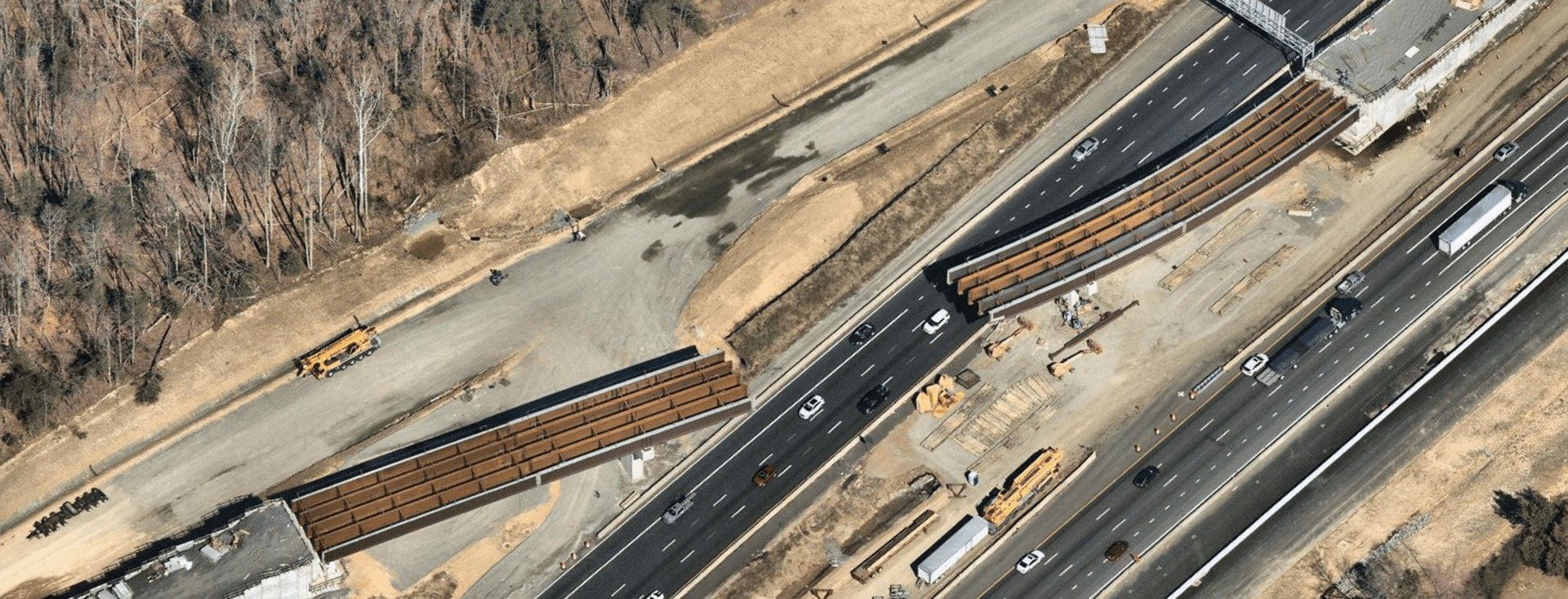
To accommodate growing traffic, the Virginia Department of Transportation (VDOT) planned an expansion of Interstate 95 Express Lanes near Fredericksburg. The project, a public-private partnership, called for building approximately 10 miles of new highway in challenging Potomac Formation soil conditions.
The project’s lead designer, HNTB, previously relied on Haley & Aldrich’s geotechnical expertise for two other Express Lane projects. HNTB trusted us to address the needs of multiple stakeholders and provide solutions-oriented project management, drawing on existing relationships with VDOT and Transurban, the concessionaire. We also brought previous experience with the local geology to overcome the technical challenges of the extension.
Our approach
Moving fast so that the new lanes could open as soon as possible, we conducted geotechnical investigations, drilling nearly 700 borings in approximately 22 weeks to support the project design. Based on those investigations and our previous experience, we developed design recommendations for bridge foundations, retaining walls, culverts, pavement, subgrade undercuts, stormwater management, and earthwork.
Given the presence of the Potomac Formation soil conditions, our designs had to account for stabilizing more than 100 slopes before roadway construction could start. Taking advantage of our experience to develop designs that would work in the area, we recommended a variety of solutions, including pile stabilization and densified aggregate piers.
To meet an urgent timeline, we installed instrumentation that facilitated remote monitoring to measure settlement at bridge abutments. This saved time by avoiding the need to have surveyors on-site to measure settlement, and it allowed us to know the settlement reached acceptable levels.
Value delivered
- Supported a highway extension that made travel easier for drivers and increased toll revenue for the state of Virginia — which, in turn, supported better infrastructure for everyone in the state.
- Delivered design recommendations that overcame the technical challenges of the local geology
- To meet urgent timeline, installed remote monitoring instrumentation (vs. on-site surveyors) to measure settlement
For more information, contact:

Principal Consultant

Senior Project Manager, Geotechnical Engineer
Related Projects
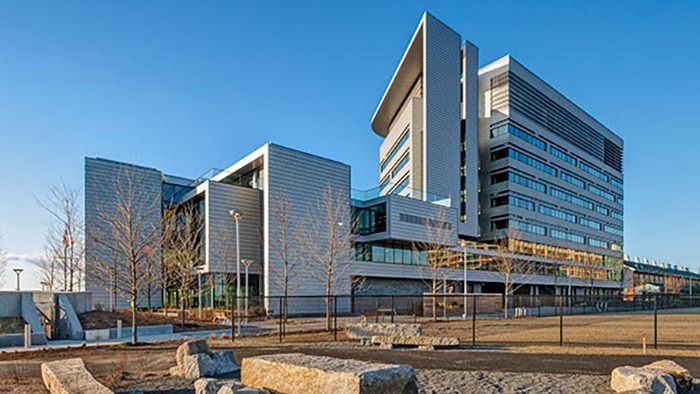
Our expertise helps reclaim a former shipyard to construct LEED Gold Certified…
Creative geotechnical solutions connect campus to downtown Philadelphia
Haley & Aldrich helps a college overcome community opposition to transform landfill…
Our approach helps client reduce costs and complete pre-construction planning in record…
Forward-thinking geotechnical expertise helps protect New York hospital from flooding
Innovative planning turns stubborn landfill into profitable regional asset
Our geotechnical experts design enduring bridge foundation under tight schedule
Federal Realty Investment Trust saved millions on development project with our first-of-its-kind…
Geothermal design and innovative approach allow for many benefits at the Portland…
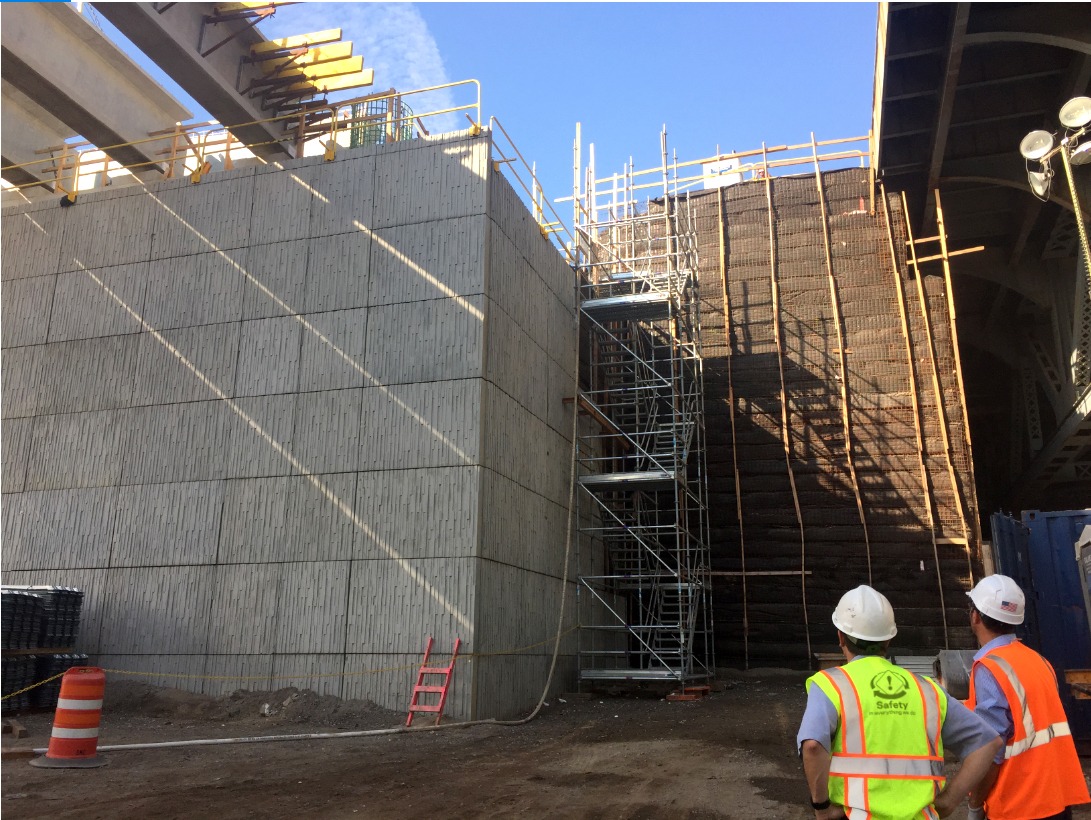
We help NYSDOT reduce construction time on high-profile Kosciuszko Bridge design-build project
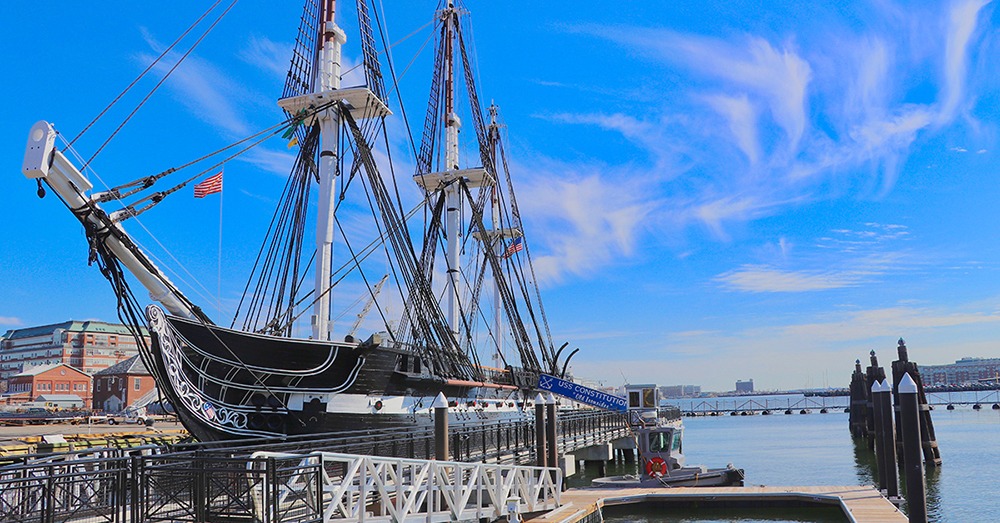
Marine geotechnical engineering expertise fortifies the USS Constitution’s berth for generations